
Wood Care & Maintenance: How to Keep Your Woodwork Beautiful for Years
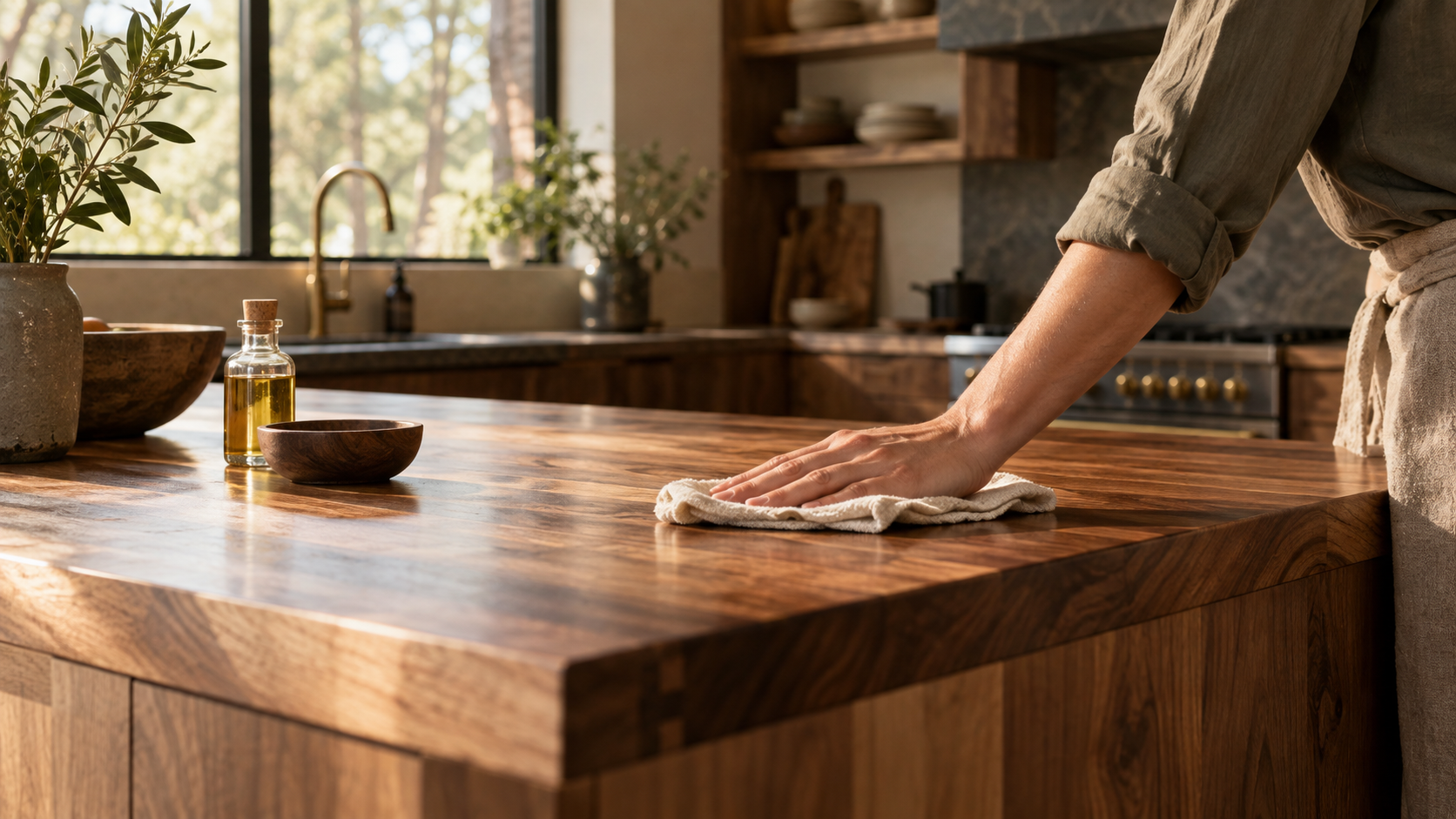
Wood is a natural material with a character that develops over time. From custom kitchens and wardrobes to doors, wall cladding, furniture and architectural woodwork, every wooden element responds to its surrounding environment.
With proper wood care and maintenance, beautifully crafted woodwork can retain its appearance, strength and functionality for many years. Without regular attention, however, even high-quality wood may gradually show signs of wear, dryness, movement or surface damage.
What Happens to Wood Over Time?
Unlike synthetic materials, wood continues to react naturally to changes in its environment. Temperature, humidity, sunlight and everyday use can slowly influence both its appearance and structure.
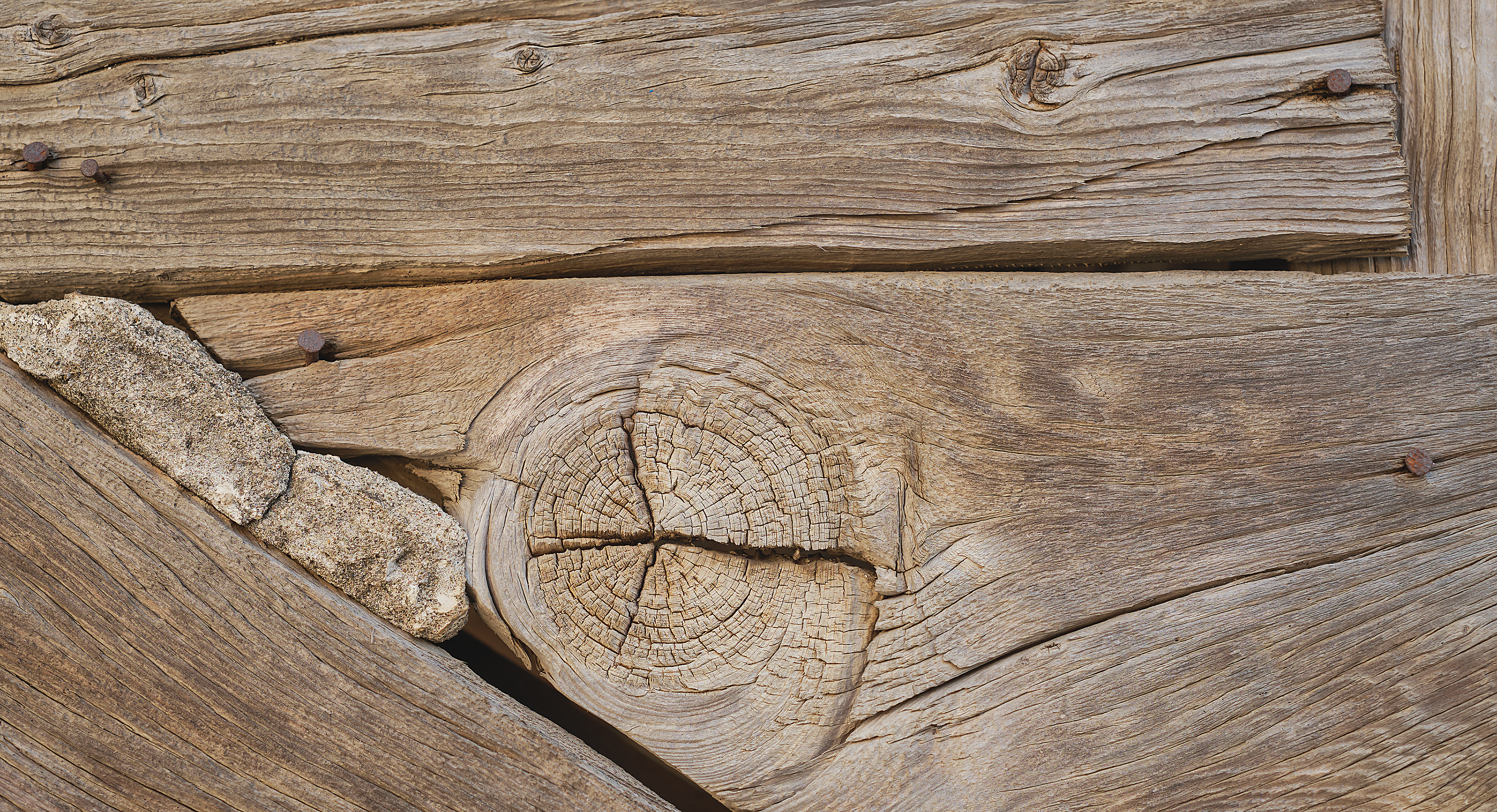
Some changes are completely natural. Wood may gradually deepen in color, develop a richer tone or show subtle variations in its grain. These changes are part of what makes real wood unique.
Other changes may require attention. Depending on the type of wood, finish and environment, you may notice:
- Surface dryness or loss of the original finish.
- Small scratches caused by everyday use.
- Changes in color caused by continuous sunlight exposure.
- Expansion or contraction caused by changes in humidity.
- Loose hinges, handles or fittings after years of regular use.
- Minor gaps or movement between wooden components.
- Moisture marks around kitchens, bathrooms or other humid areas.
Why Is Wood Maintenance Important?
Maintenance is not simply about keeping wood clean. Its main purpose is to protect the material, preserve the finish and identify small issues before they develop into larger problems.
A cabinet door that needs a small adjustment today may eventually place unnecessary pressure on its hinges. A worn protective finish may expose the wood underneath to moisture. A small scratch can sometimes become more noticeable if the surrounding finish continues to deteriorate.
Periodic maintenance helps extend the lifespan of the entire installation while keeping the original craftsmanship visible.
Regular Cleaning Makes a Difference
One of the simplest forms of wood maintenance is regular gentle cleaning. Dust and residue can slowly accumulate on surfaces, particularly in kitchens, wardrobes and frequently used furniture.
For most finished wooden surfaces, a soft slightly damp cloth is usually preferable to aggressive cleaning products. Strong chemicals and abrasive cleaners may affect certain finishes or gradually alter their appearance.

Protect Wood From Excessive Moisture
Water and prolonged humidity are among the most important factors to consider around wooden installations. Kitchens are especially exposed because sinks, countertops and appliances can create regular contact with water and steam.
Small spills should be cleaned rather than left sitting on a wooden surface for long periods. Areas around sinks and plumbing should also be checked occasionally for leaks.
Good ventilation can help in rooms where humidity is naturally higher.
Sunlight Can Change the Color of Wood
Natural light gives interiors warmth, but continuous direct sunlight can gradually affect the color of both natural wood and some finishes.
This process usually happens slowly and can create beautiful natural aging. However, furniture or cabinetry exposed to strong sunlight on only one side may eventually develop uneven coloration.
Curtains, blinds or thoughtful interior placement can help reduce extreme long-term exposure where necessary.
Wood Can Move With the Seasons
Because wood reacts to moisture in the surrounding air, minor expansion and contraction can occur as humidity levels change throughout the year.
Proper design, fabrication and installation take this natural movement into consideration. Nevertheless, after years of use, doors, drawers or fittings may occasionally require small adjustments.
These adjustments are a normal part of maintaining custom woodwork and can help prevent unnecessary wear.
When Should Wood Be Refinished?
Refinishing does not necessarily mean replacing the wood. In many cases, a well-made wooden element can be refreshed rather than removed.
Depending on the original finish and the condition of the surface, maintenance may involve light sanding, polishing, repairing a damaged area, restoring the protective coating or refinishing part of the installation.

Different Materials Require Different Care
Not every wooden surface should be maintained in exactly the same way. Natural oak, walnut, beech, veneers, plywood and engineered materials such as MDF can have different surface treatments and maintenance requirements.
The type of finish is equally important. Painted surfaces, stained wood, oil finishes and protective coatings may each require a different approach.
This is why identifying the material and original finish should always come before attempting restoration or applying a new product.
Wood Maintenance for Kitchens
Kitchens usually receive more daily use than almost any other wooden installation in a home. Cabinet doors are opened repeatedly, drawers carry heavy items, surfaces are exposed to heat and moisture, and handles and hinges experience constant movement.
Periodically checking alignment, hinges, drawer mechanisms and areas close to water sources can significantly improve the long-term condition of a wooden kitchen.
Wood Maintenance for Furniture and Wardrobes
Custom furniture and wardrobes generally require less frequent intervention, but they still benefit from occasional inspection.
Drawer runners, hinges, handles and sliding mechanisms should continue to move smoothly. Surfaces can also be checked for scratches or areas where the finish may have become worn through regular contact.
Good Woodwork Is Made to Last
One of the greatest advantages of quality woodwork is that it can often be maintained, repaired and restored. Instead of treating furniture, kitchens or custom joinery as disposable products, proper maintenance allows them to continue serving the space for many years.
This also protects the investment made in custom design and skilled craftsmanship.
Wood Care & Maintenance at Atalag
At Atalag, our relationship with a project does not necessarily end after fabrication and installation. We believe that carefully designed and manufactured woodwork deserves the same level of attention throughout its life.
Our experience with custom kitchens, furniture, wardrobes, doors, wall cladding and architectural woodwork allows us to understand how different materials and finishes behave over time.
When maintenance is required, we can evaluate the existing woodwork, identify areas that require attention and recommend an appropriate solution based on the material, finish and condition of the project.
From small adjustments and hardware maintenance to surface restoration and refinishing, our goal is to preserve the craftsmanship and extend the life of the original work whenever possible.
When Should You Contact Atalag?
You do not need to wait until significant damage appears. Consider having your woodwork inspected if you notice:
- Doors or drawers that no longer close correctly.
- Loose or noisy hinges.
- Visible scratches or worn finishes.
- Water or moisture marks.
- Changes in alignment.
- Surface discoloration.
- Wood becoming unusually dry or rough.
- Damage to a particular section of furniture or cabinetry.
Preserve the Beauty of Your Woodwork
Wood ages, moves and develops character. That is part of its beauty. The objective of maintenance is not to prevent wood from changing, but to make sure it ages well.
With regular care, good environmental conditions and professional maintenance when required, quality woodwork can remain beautiful and functional for decades.
If your kitchen, furniture, wardrobe or custom wood installation requires maintenance, restoration or professional advice, contact Atalag and our team can help you determine the best approach for your project.
Frequently Asked Questions About Wood Care
How often should wooden furniture be maintained?
There is no single schedule for every piece of woodwork. The appropriate frequency depends on the type of wood, its finish, environmental conditions and how heavily the item is used. Regular visual inspection is usually the best way to identify when maintenance is needed.
Is it normal for wood to change color?
Yes. Natural wood can gradually change color as it ages and is exposed to light. The amount of change varies according to the species of wood, finish and level of sunlight exposure.
Can scratched wood be repaired?
Many scratches and surface imperfections can be improved or repaired. The appropriate method depends on the depth of the damage and the original surface finish.
Should damaged woodwork always be replaced?
Not necessarily. Quality wooden installations can often be repaired, refinished or partially restored. An inspection can determine whether maintenance or replacement is the better solution.
Does Atalag provide wood maintenance?
Atalag can assess existing custom woodwork and recommend suitable maintenance, adjustment or restoration depending on the material, finish and condition of the installation.